

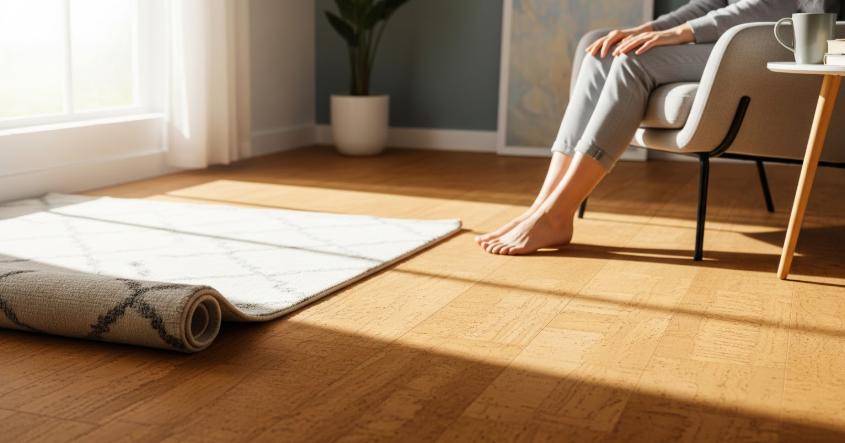
Why Cork Flooring Is Gaining Popularity in Plymouth Homes
Cork flooring has quickly become a favourite among Plymouth homeowners who want a quieter, warmer, and more comfortable home—especially in rooms where people spend a lot of time on their feet. With Michigan’s chilly winters and the rise of open-concept living, cork’s natural softness and impressive sound-absorbing qualities make it an appealing alternative to harder surfaces.
Unlike traditional hardwood or tile, cork is naturally cushioned. It absorbs impact, reduces noise, and creates a cosy environment that works beautifully in bedrooms, living rooms, family areas, and home offices. Many Plymouth homeowners also appreciate its eco-friendly appeal: cork is harvested from the bark of cork oak trees without harming the tree itself, making it a renewable and sustainable flooring option.
Homeowners researching sustainable flooring options often start with Urban Floors because they appreciate a curated selection and guidance tailored to real Michigan living. Cork’s comfort, style, and performance have made it a go-to choice for those looking for something warm and inviting. And for homeowners exploring modern flooring options, today’s durable cork flooring collections offer both timeless beauty and impressive practicality.
How Cork Flooring Absorbs Sound in Busy Homes
One of the biggest reasons homeowners choose cork is its ability to reduce noise—a major benefit in active households or open-plan spaces.
Natural Acoustic Properties
Cork contains millions of tiny air-filled cells, each acting like a miniature sound absorber. When sound waves hit the surface, these cells trap and disperse the vibrations rather than reflecting them.
This results in:
• Less echo
• Quieter footsteps
• Reduced noise transfer between floors
• Softer acoustics in large or open spaces
Ideal Rooms for Sound Reduction
Cork is especially effective in:
• Bedrooms
• Hallways
• Living rooms and dens
• Basement family rooms
• Home offices
• Playrooms
In multi-level homes, cork also helps reduce noise between floors—especially helpful for homes with kids, pets, or late-night schedules.
Perfect for Open-Concept Living
Many Plymouth homes feature open layouts, which tend to amplify noise. Cork flooring softens the acoustics and helps maintain a calm and inviting atmosphere in busy households.
Everyday Comfort: Why Cork Feels So Good Underfoot
Beyond sound absorption, cork’s natural softness is one of its biggest selling points.
Cushioning and Support
The same air-filled cells that absorb sound also give cork its comfortable, springy feel. It gently compresses underfoot and provides lasting support—ideal for homeowners who prefer a softer walking surface.
This makes cork perfect for spaces where you stand often, such as:
• Kitchens
• Home offices
• Laundry rooms
• Craft or hobby rooms
Warmth in Cold Weather
Michigan winters can make hard flooring feel chilly, but cork naturally insulates. Its cellular structure retains warmth, keeping spaces cosy even during the coldest months.
Comfort for Families
Families with babies, young kids, or pets appreciate cork’s flexibility and cushioned feel. It’s more forgiving underfoot than tile or hardwood and reduces the impact of accidental trips or falls.
Cork delivers everyday comfort that’s hard to match.
Durability and Maintenance: What Homeowners Should Expect
While cork is softer than hardwood, modern cork flooring is impressively durable and designed to stand up to real-life use.
Protective Finishes
Today’s cork floors often come with durable top coats—urethane, acrylic, or high-performance coatings—that resist scratches, stains, and minor wear.
Resistant to Mold and Mildew
Cork contains suberin, a naturally occurring substance that repels moisture and protects against mold. This makes cork a healthier option for homeowners concerned about indoor air quality.
Easy to Maintain
Cork is surprisingly low maintenance. Most homeowners find the routine as simple as:
• Sweeping or vacuuming regularly
• Using a damp mop with a gentle cleaner
• Avoiding excess water or standing moisture
• Adding protective pads under furniture
With minimal upkeep, cork maintains its style and comfort for many years.
Design Styles That Pair Beautifully With Cork Flooring
Cork flooring is available in a wide range of tones and patterns that fit both modern and traditional Plymouth homes.
Natural Cork Patterns
These feature organic textures and rich earth tones—perfect for warm, cosy interiors.
Stained or Dyed Cork
Modern cork options include greys, charcoals, and contemporary neutrals that work well with minimalist design.
Cork Tiles vs. Cork Planks
• Tiles offer more design patterns and can be arranged creatively.
• Planks mimic the look of wood while providing the benefits of cork.
Homeowners can choose from subtle, natural patterns or bold aesthetic textures depending on the room’s style.
Where Cork Flooring Performs Best in Plymouth Homes
Cork is versatile and fits seamlessly into many room types.
Ideal Rooms
• Living rooms
• Bedrooms
• Hallways
• Offices
• Finished basements
• Kitchens (with proper sealing)
Use in Finished Basements
For Plymouth homeowners with finished lower levels, cork is a standout choice. Its warmth, comfort, and sound absorption make basements feel more like true living spaces.
Kitchens
Cork can perform well in kitchens with specific care:
• Seal regularly
• Clean spills promptly
• Use mats near sinks and dishwashers
When properly maintained, cork provides unmatched comfort for long cooking sessions.
What Plymouth Homeowners Should Know About Installation
Installing cork flooring is a precision task. Proper installation ensures long-term performance, especially in areas prone to moisture.
Subfloor Preparation
Cork requires a smooth, even subfloor to maintain its structure and appearance.
Floating vs. Glue-Down
• Floating cork floors click together and sit over an underlayment.
• Glue-down cork tiles offer a more permanent installation and excellent sound absorption.
Your choice depends on the room, lifestyle, and design preference.
Proper Sealing
For kitchens, basements, or areas with potential moisture, sealing is essential. It adds another layer of protection and keeps the floor looking polished.
Professional installation ensures your cork floor performs beautifully for years to come.
Comparing Cork to Other Popular Flooring Options
Understanding how cork stacks up against hardwood, laminate, and luxury vinyl helps homeowners choose confidently.
Cork vs. Hardwood
• Cork is softer, warmer, and quieter
• Hardwood is more durable but less forgiving underfoot
Cork vs. Laminate
• Cork is more comfortable
• Laminate offers better scratch resistance
Cork vs. Luxury Vinyl
• Cork provides better natural warmth
• Luxury vinyl offers more waterproof protection
Each option has unique strengths, but cork wins for comfort, insulation, and sound performance.
Why Cork Is a Smart Choice for Plymouth Families
Cork flooring is especially appreciated by families who want a peaceful, comfortable, and welcoming home environment.
Great for Kids
Its softness reduces noise during play and adds a layer of safety during tumbles.
Great for Pets
Cork floors are gentle on paws, warm to lie on, and offer slip resistance.
Great for Work-From-Home Setups
Sound absorption is a major benefit for homeowners working from home, especially when paired with open-concept layouts.
Cork supports a quieter, more comfortable daily routine.
Bringing Cork Into Your Plymouth Home
With its warmth, comfort, and impressive acoustic qualities, cork flooring is an ideal choice for Plymouth homeowners looking to elevate both style and function. It brings a natural charm to any space and makes a genuine difference in how a home feels and sounds.
If you’re exploring flooring options and want something that blends comfort with sustainability, today’s cork floors are worth a closer look. Feel free to reach out to us for questions, guidance, or help choosing the perfect cork flooring for your Plymouth home.


