

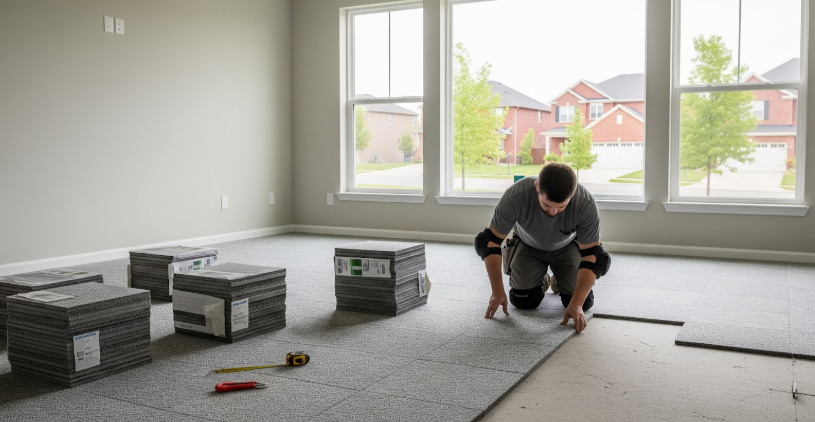
Why Plymouth Homeowners Are Turning to Carpet Tile
Carpet tile has become one of the most practical and stylish flooring options for Michigan homeowners, especially in Plymouth, Northville, and Bloomfield Hills. It delivers comfort, warmth, and versatility—qualities every home deserves during long Michigan winters. Unlike broadloom carpet, carpet tile offers modular flexibility, easier installation, and the ability to replace individual squares rather than an entire room. That alone makes it a smart investment for families, pet owners, and anyone who values durability.
Many homeowners exploring updates start by browsing options with Urban Floors because modern carpet tile designs look fresh, contemporary, and tailored to today’s interiors. From cozy living spaces to finished basements and home offices, carpet tile brings a blend of softness and resilience that fits everyday living. Understanding the cost, installation process, and long-term performance helps homeowners make informed choices that align with their budget and lifestyle.
What Impacts the Cost of Carpet Tile Installation?
Carpet tile pricing varies widely based on style, material quality, backing type, and installation needs. Most Plymouth homeowners can expect to pay more for premium materials or specialized features, but the investment often pays off through long-term durability and easier maintenance.
Tile construction plays a big role in cost. Thicker, denser carpet tiles generally provide better insulation and sound absorption, making them especially appealing for basements or second-floor living spaces. Backing material matters too—many high-quality tiles come with enhanced moisture resistance or cushioning that makes them more comfortable underfoot.
Labor costs depend on room shape, subfloor condition, and preparation requirements. Compared to wall-to-wall carpet, carpet tile installation tends to be simpler and often faster. There’s no need for large rolls or stretchers, and installers can work around built-in features more easily. However, complex patterns or tight corners can add time to the project.
When evaluating total cost, homeowners should consider long-term value in addition to up-front pricing. Carpet tile’s modular design helps reduce future replacement costs because a single damaged tile can be swapped out without disturbing the entire room. This flexibility keeps spaces looking fresh for years.
Material Quality and Durability: Why It Matters
One of the biggest advantages of carpet tile is its ability to maintain its appearance even in high-traffic areas. Plymouth families with kids, pets, or busy entryways appreciate how durable tile construction is compared to traditional carpet.
Quality carpet tiles are engineered with strong fiber systems resistant to crushing and wear. They often include moisture-resistant or stain-blocking technology that helps protect against spills or winter salt brought in from outside. These features help reduce long-term maintenance and keep the flooring looking polished.
Backing is one of the most crucial durability factors. Many premium carpet tiles use cushion-backed or hard-backed bases that prevent fraying, reduce movement, and absorb impact. Cushion backings offer added comfort and can help extend tile lifespan by reducing wear from footsteps.
Pile density influences durability as well. Dense tiles maintain a smooth appearance longer, resist matting, and provide a more supportive surface. Homeowners who want a long-lasting option often choose tiles with tight, structured loops that hold up beautifully in active spaces.
What Plymouth Homeowners Typically Pay for Carpet Tile
Homeowners in Plymouth can expect carpet tile pricing to vary based on several factors: material quality, design complexity, and installation conditions. Entry-level tiles offer a budget-friendly way to refresh a space, while premium commercial-grade tiles deliver exceptional performance for busy households or finished basements.
Carpet tile is also one of the easiest floors to customize. Homeowners can mix colors, patterns, or textures to create distinctive designs—perfect for home offices, playrooms, and entertainment spaces. While custom patterns may add to the overall cost, they also elevate the room’s design impact.
Floor preparation is another factor. If the subfloor needs leveling or smoothing, the project may require extra labor. Carpet tile adheres best to clean, smooth surfaces, so preparation ensures the installation sits flat and lasts longer.
Even with these variables, the long-term savings are significant because carpet tile doesn’t need total replacement when small areas wear out. For many Plymouth families, that flexible maintenance alone justifies the investment.
Installation Timeline and What to Expect
One of the major advantages of carpet tile is how quickly it installs. Because tiles are modular, installers can move efficiently through the room without handling large, unwieldy materials. This makes carpet tile a great choice for homeowners looking to minimize downtime during renovations.
Most rooms can be completed in a day, depending on the layout and preparation needs. Installers begin by assessing the subfloor and ensuring it’s free of debris and level. Adhesive installation is common, though some tiles use peel-and-stick or loose-lay systems.
Patterns require more time, especially if a homeowner chooses herringbone-style layouts or multi-tone designs. Precise spacing and alignment are key to ensuring the final result looks clean and professional. Because each tile locks visually into the next, proper installation significantly affects the overall appearance and durability.
Homeowners find carpet tile installation less disruptive than other flooring types. Rooms often remain usable sooner, and maintenance is minimal following installation. For families renovating during winter, carpet tile offers warmth and comfort without extensive downtime.
Expected Lifespan of Carpet Tile in Plymouth Homes
With proper care, carpet tile can last well over a decade—sometimes longer depending on usage and material quality. High-density commercial-grade tiles used in residential settings can exceed traditional carpet in longevity because they resist matting and wear in heavy-use areas.
Regular upkeep is simple. Vacuuming keeps fibers lifted and prevents dirt from settling deep into the tile. When spills occur, individual tiles can be removed, cleaned, or replaced as needed. This modular maintenance dramatically extends the lifespan of the flooring.
Basements and home offices benefit from carpet tile longevity because the tiles stay stable even when temperatures fluctuate. Many Plymouth homes deal with winter moisture or cold concrete surfaces, making carpet tile a great solution for overall comfort and lasting durability.
For homeowners comparing styles, exploring carpet tile flooring options helps clarify what level of performance best suits their daily needs.
Moisture Protection and Winter Performance
Michigan winters bring snow, slush, and plenty of moisture—conditions that can damage standard carpet quickly. Carpet tile is designed with backing materials that resist moisture absorption and reduce the risk of mold or mildew.
Entryways and basements particularly benefit from moisture-stable carpet tiles. Many products feature built-in moisture barriers that help protect subfloors. If a tile does become damp, it can be removed and dried individually, helping prevent moisture from spreading.
Salt from winter roads is another concern for Plymouth homeowners. Carpet tile’s tight loop surfaces make it easier to clean salt residue before it settles. This helps maintain both color and texture throughout the season.
Style Options That Work Well in Michigan Homes
Carpet tile offers one of the widest selections of patterns and textures available in soft flooring. Plymouth homeowners can choose from subtle, neutral tones that complement modern interiors or bold geometric designs that bring playful energy to a room.
Textured tiles with linear patterns add sophistication to home offices and living rooms, while multi-tone tiles hide dirt and footprints—useful for busy households. Warm earth tones continue to trend in 2026, especially for homes looking to create a cozy winter atmosphere.
For basements, darker tiles or patterned styles work well to create depth and reduce the appearance of wear. Homeowners who want a unique touch often mix tile colors to create custom borders or area rugs built directly from carpet tile.
Maintenance Tips to Extend the Life of Carpet Tile
Keeping carpet tile in great condition is simple and doesn’t require special equipment. Regular vacuuming keeps debris from accumulating. Spot cleaning with a gentle carpet-safe cleaner takes care of most spills.
An advantage of carpet tile is easy replacement. If one tile becomes stained beyond repair, it can be swapped out in minutes. This helps preserve the uniform appearance of the flooring and extends the lifespan significantly.
In high-traffic areas like hallways or family rooms, homeowners may rotate tiles periodically to maintain even wear. This small habit helps keep the entire floor looking consistent over time.
When homeowners are ready to explore their options or need help selecting the right materials, they can always reach out to us for friendly guidance tailored to their space.


